Raising Startup Funding, Part 1: Investor Research and Outreach
Before sending a pitch deck everywhere, learn how to identify suitable investors, make contact and build communication before a formal raise.

1. Define the round before contacting investors
| Question | Example answer |
|---|---|
| How much? | Enough for 15–18 months of planned runway |
| Why now? | Early retention signals justify expanding distribution |
| Use of funds | 2 engineers, content licensing, sales experiments |
| Milestone | Reach repeatable paid acquisition or a defined revenue target |
2. Build an investor research sheet
| Field | Why it matters |
|---|---|
| Fund / investor | Identity |
| Stage | Pre-seed, seed, Series A… |
| Typical cheque | Avoid obvious mismatch |
| Geography | Can they invest in your jurisdiction? |
| Sector | Do they understand your market? |
| Relevant portfolio | Fit and possible conflicts |
| Warm path | Who can introduce you? |
| Last contact / next step | Run the process like a pipeline |
3. Prioritise instead of mass-emailing
Rank fit before outreach. Start some conversations with solid but non-critical leads to improve your explanation, then approach the strongest-fit investors once your answers are sharper. Avoid fabricating urgency or pretending another investor has committed when they have not.
4. A concise cold outreach template
Subject: [Company] — [one-line traction/problem] Hi [Name], we’re building [product] for [specific customer]. We’ve reached [honest evidence]. We’re raising [round/amount range if appropriate] to reach [milestone]. I’m contacting you because of your work with [relevant portfolio/theme]. Would you be open to a 20-minute conversation?
5. The first meeting is not the whole diligence process
- ✓Problem and customer are clear.
- ✓Founder-market fit is explainable.
- ✓Product demo works.
- ✓Traction metrics are reproducible.
- ✓Market assumptions are sourced.
- ✓Cap table is accurate.
- ✓Legal entity and IP ownership are understood.
- ✓Data room is organised before serious diligence.
6. Keep momentum without spamming
Fundraising often works better when conversations happen within a deliberate window, because founders can compare feedback and terms. Follow up with new information—not repeated “just checking” messages with no change.
7. SAFE is one instrument, not a universal answer
Y Combinator created the SAFE as an agreement that provides future equity when a triggering financing occurs. Legal suitability varies by jurisdiction and company structure. Founders should use qualified legal advice rather than copying a US template blindly into a different country.
Primary fundraising references
Sources and further reading
Clarvo articles are independently written. These references let you inspect the original inspiration and primary or official sources used to deepen the guide.
- Source inspiration — How to Raise Funding for Your Startup, Part 1 — Initial Research & Outreachmachine-learning-made-simple.medium.com
You can also read
 StartupsA Step-by-Step Guide to Funding Your Startup12 min read →GCE Study GuideCameroon GCE Past Papers: A Complete O-Level and A-Level Study Guide15 min read →
 Clarvo & PrivacyHow to Delete Your Clarvo Account — What Happens, What You Lose, and What to Check First11 min read →
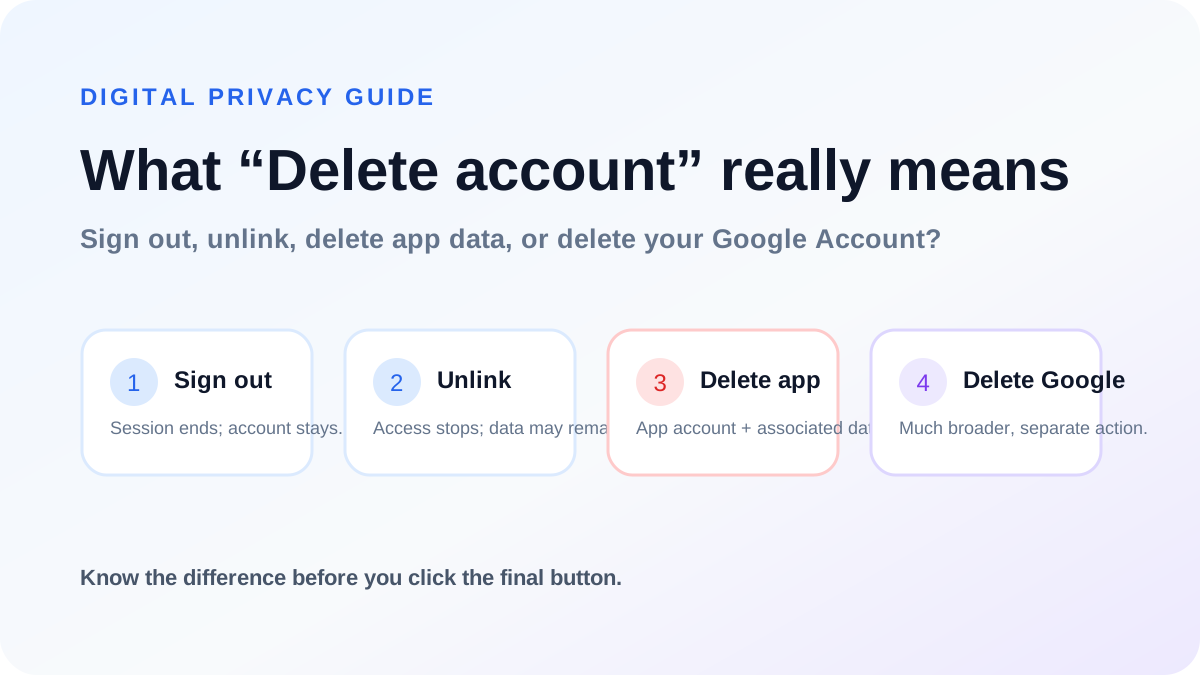 Digital PrivacyDeleting an Online Account Safely: Sign Out vs Unlink vs Delete12 min read →
 Web DevelopmentGetting Started with Next.js: A Beginner-Friendly App Router Guide14 min read →